Look at what the input represents
In a conventional action game, a key may simply move a character. In Elevator Saga, your input is a rule that will act repeatedly. In We Become What We Behold, selecting an image influences the surrounding attention loop. That relationship between an action and its meaning is a useful way to choose an experimental game.
A familiar interface can be the fiction
Please Answer Carefully uses a survey and Please Don’t Play turns menus and loading screens into obstacles. Last seen online makes a computer desktop an environment to investigate. These are authored uses of interface conventions, not promises that the software behaves like a normal productivity tool.
Keep accessibility and subject matter in the decision
An unusual idea can come with practical constraints. The Radio needs audible sound for its premise; Elevator Saga needs comfortable text editing; conversation games can concern emotionally difficult material. The individual pages describe those limits instead of treating experimentation as a reason to ignore them.
Games to compare
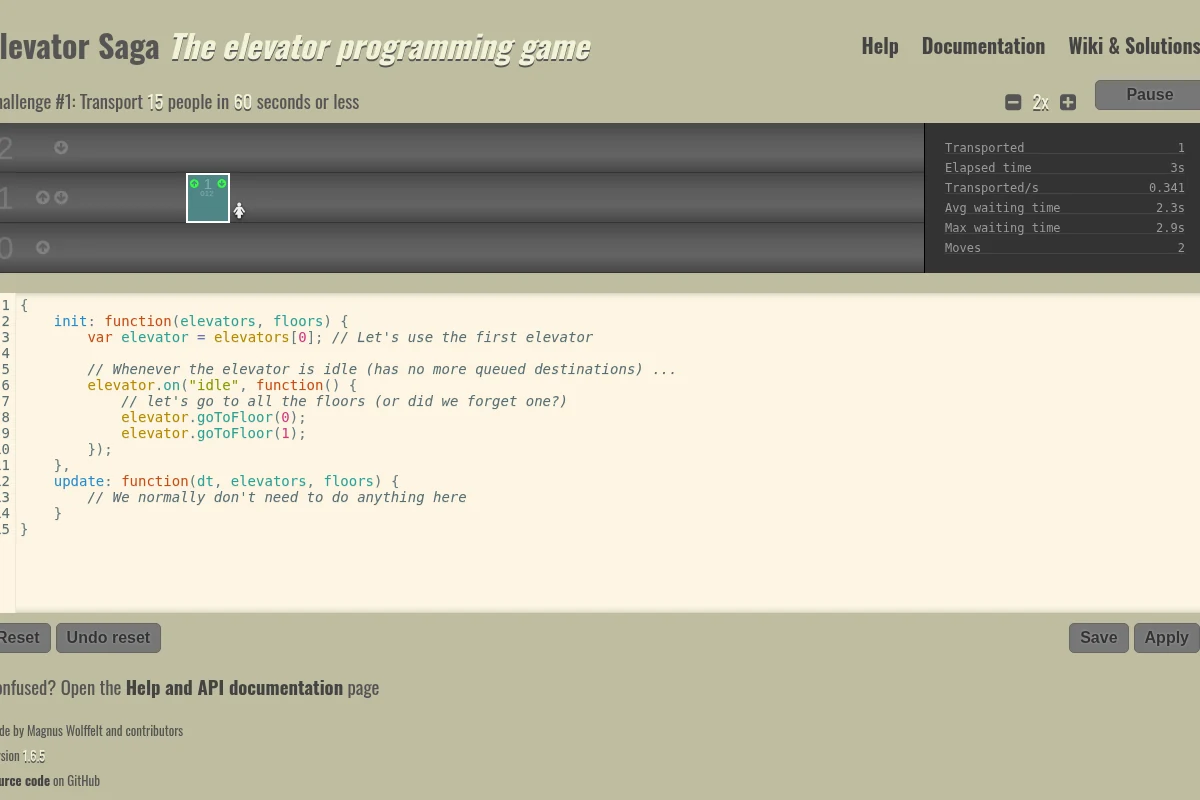
Elevator Saga
The character is effectively your program. It is an especially direct choice for visitors curious about coding and iterative problem solving.
Edit the JavaScript in the on-page editor, then Apply it and start the simulation. Use the Help and Documentation links for the supported methods and events.
Read the device guidance →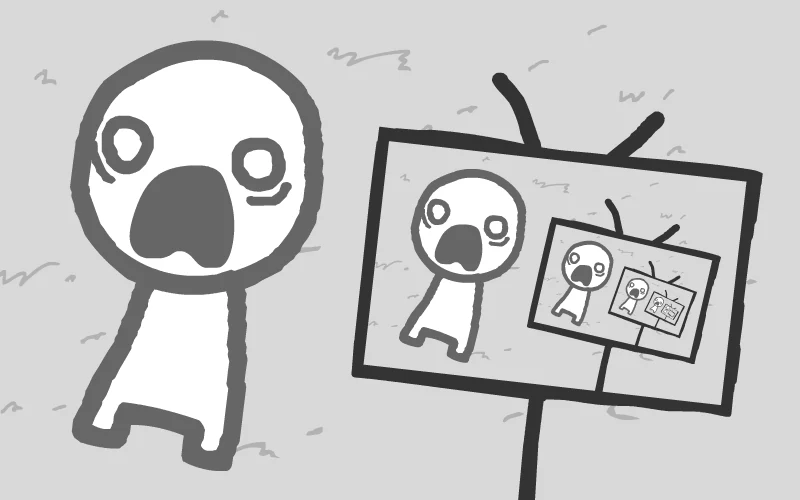
We Become What We Behold
Uses framing and capture to connect the player’s attention to a changing public space.
The official page lists mouse input. Use the game’s framing and capture prompts to choose what the audience sees.
Read the device guidance →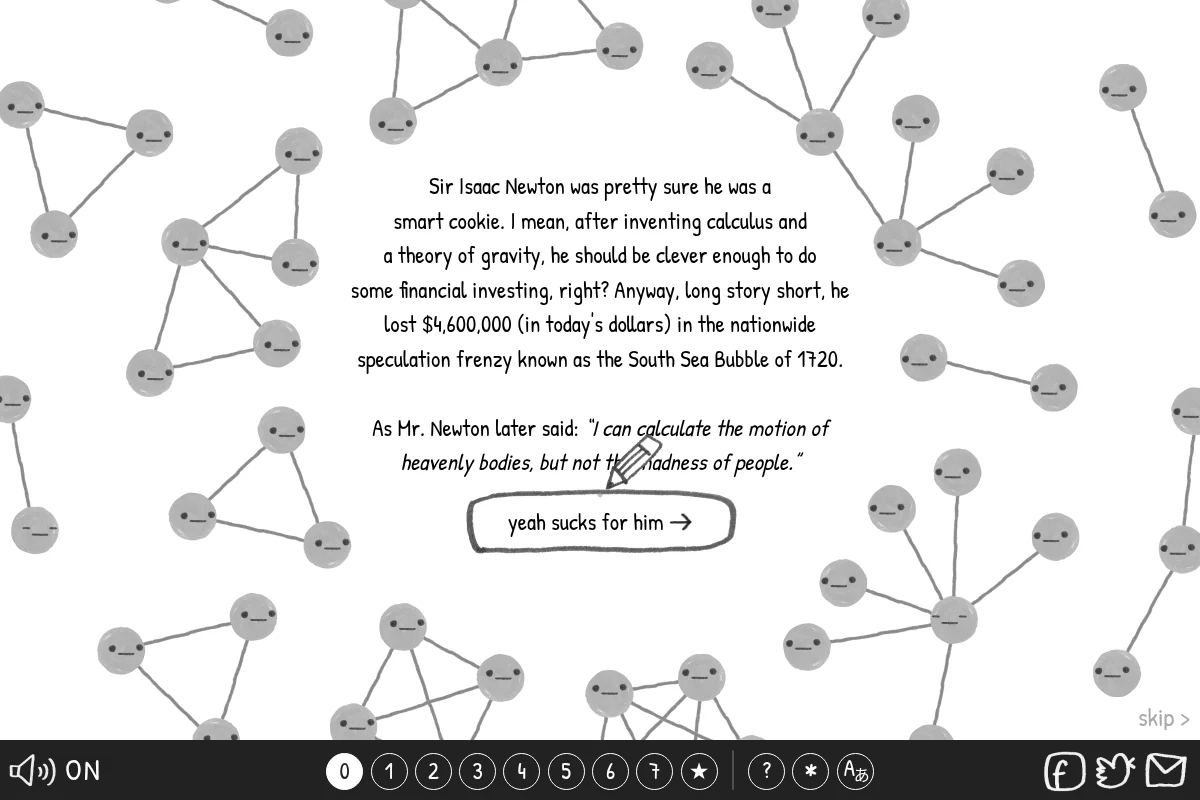
The Wisdom and/or Madness of Crowds
Lets you manipulate a network rather than merely read about one. Follow the guided examples before drawing conclusions from a sandbox.
Use the on-screen instructions to draw or remove links and interact with the people in the diagrams. Begin with the guide before experimenting in the later sandbox.
Read the device guidance →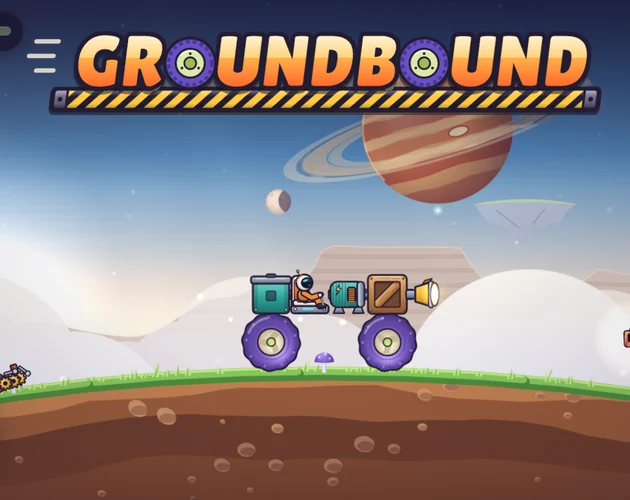
Groundbound
Turns an engineering idea into a moving object, so failure can suggest a concrete redesign.
The official description lists keyboard or touch controls. Use the game’s own builder and driving prompts for the current mappings; a complete key-by-key scheme was not published in the text we reviewed.
Read the device guidance →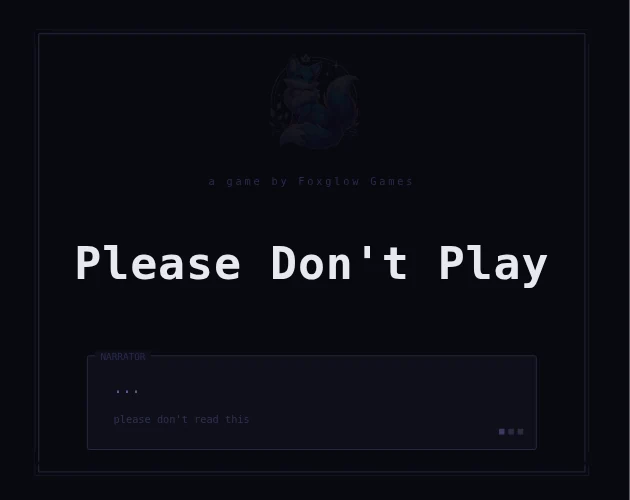
Please Don’t Play
Makes an uncooperative interface part of the game’s relationship with the player. Choose it only if deliberate frustration sounds entertaining.
Mouse for menus; Space for the indicated flap/jump actions; arrow keys or WASD for movement; Escape pauses. The creator notes that some situations change the usual expectations.
Read the device guidance →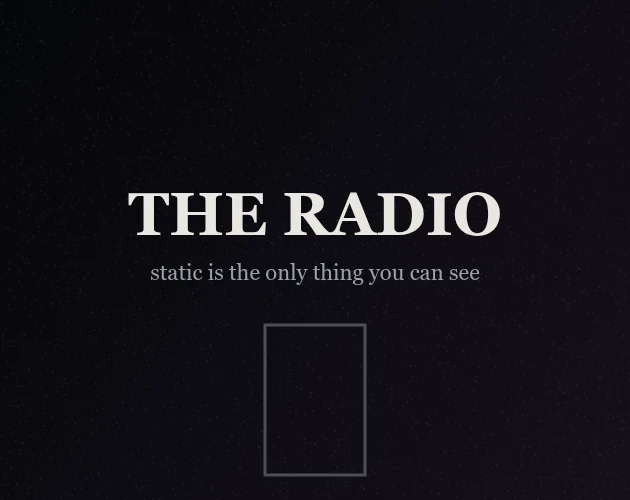
The Radio
Makes sound a warning with deliberately incomplete information rather than background decoration.
The official instruction is to drag to move. The creator recommends headphones; use a deliberate browser interaction to enable audio if the host requires one.
Read the device guidance →Keep exploring
Use our player guide to compare controls, tone and device evidence. The full catalog also supports search and genre filters. Official sources and verification limits are recorded on every game page.